Japanese Language Courses in Kerala

Join the Best Japanese Language Institute in KeralaMaster Real-Life Japanese Conversations with Tiju’s Academy

A structured study plan for JLPT and JFT-Basic, online or in our Kerala classrooms, for everyone aiming to study or work in Japan.

  • PathwayKihon to JLPT N3
  • ExamsJLPT and JFT-Basic
  • ModeOnline and offline
  • Fees from₹8,999

Book your free demo class

Leave your details and our Japanese language consultants will call you back.

Loading form

Learning Japanese is never hectic with Tiju’s Academy, the best Japanese language institute in Kerala. We offer a structured study plan with a flexible study mode (online and offline) for the Japanese Language Proficiency Test (JLPT) or JFT-Basic for those who are aiming to study or work in Japan. For your preparation for SSW visa programs through JLPT N4 or JFT-Basic, for application to Japanese universities, or for career-orientated Japanese language skills, our Japanese language courses in Kerala integrate both global textbook standards and examination-orientated methodologies.

Here, learners are prepared for international examinations as well as practical communication. If you are looking for the best Japanese language training in Kerala or a flexible Japanese language online class, at Tiju’s Academy, our four steps (Kihon, Hajime N5, Kokoro N4, and Sora N3) will ensure success in all areas of the Japanese language.

What is the Japanese Language Programme at TIJUS Academy?

At Tiju’s Academy, our Japanese program works with a complete 4-step learning process with the aim of teaching students to develop skills up to an intermediate proficiency level, that is, N3 of the Japanese-Language Proficiency Test (JLPT), starting from scratch.

Our Japanese language programs integrate preparation for the JLPT with real-life conversational Japanese. Also officially aligned with international textbooks like Genki, Minna no Nihongo, and Nihongo Sou Matome. Students can either choose our physical classrooms at Mavelikara or Thiruvalla or our Japanese online classes from any part of the world.

Quick overview

  • Levels of studyKihon (Foundation)JLPT N5 (Hajime)JLPT N4 (Kokoro)JLPT N3 (Sora)
  • Flexible classesOffline Classroom TrainingLive interactive Japanese language course online
  • Core textbooks usedMarugotoMinna no NihongoNihongo Sou Matome
  • Exam alignmentJLPT (conducted by the Japan Foundation and JEES)JFT-Basic readiness
Four Steps

Structured Programme Levels: Kihon to JLPT N3

Understanding each level in Japanese language is crucial in ensuring that you are always in control of your exam preparation. Our Japanese language courses systematically guide learners from beginner’s scripts to mastery of JLPT N3.

Cherry blossoms in bloom at Himeji Castle park, Japan Step 1 · Foundation

Kihon: Basic Japanese

30 days

As the name suggests, the Kihon course is the ideal Japanese course for beginners.

Test preparation
Introducing Japan and Japanese workplace culture, complete mastery of Japanese Hiragana and Katakana scripts, important vocabulary terms and daily life sentences, greetings and self-introductions.
Result
Provides you with a good foundation to learn further in the JLPT N5 and JFT-Basic examination preparation courses.
Materials
Comes with the TIJUS Japanese Starter Kit.
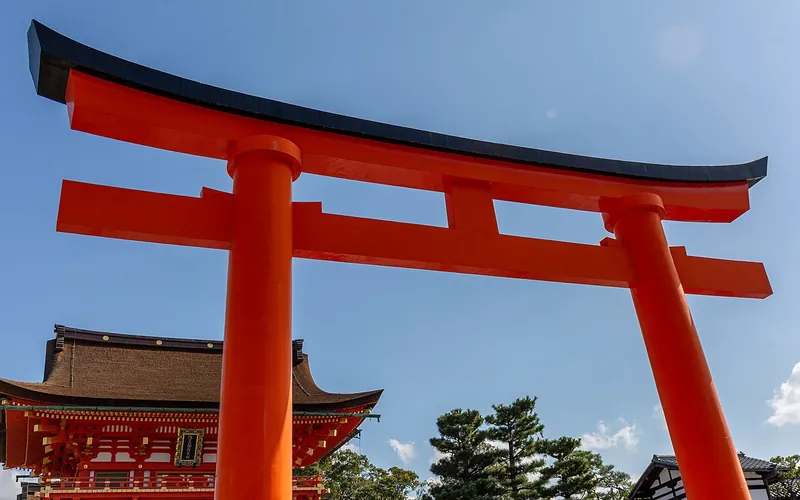
Vermilion torii gate at Fushimi Inari shrine, Kyoto Step 2 · Beginner JLPT

Hajime N5

120-140 hours

Hajime means the beginning. The N5 Japanese language course trains students to pass their first JLPT exam certification.

Course objectives
Mastery of complete hiragana and katakana characters, 700-1000 important words related to N5 level, and 80-100 plus basic kanjis.
Exam and skills focus
N5-level basic grammar patterns, beginning reading passages in Japanese language, slow listening exercises, and the whole mock JLPT N5 exam.
Result
Full preparation for the JLPT N5 exam and effective communication at beginner level.
Kinkaku-ji Golden Pavilion and pond garden, Kyoto Step 3 · Elementary JLPT and JFT-Basic

Kokoro N4

150-160 hours

Kokoro means ‘heart’, where you learn grammar and sentence pattern. The Japanese N4 program is geared towards elementary-level proficiency, which is considered the basic level and commonly required for the Specified Skilled Worker (i) visa.

Target learning
Acquisition of about 300 kanji and elementary-level vocabulary.
Test and skill focus
Grammar and sentence pattern learning at the intermediate/elementary level, passage understanding, conversation listening on an everyday basis, and preparation for the JLPT N4 test.
Result
Preparation for the JLPT N4 test.
Chureito Pagoda with Mount Fuji in autumn, Japan Step 4 · Intermediate JLPT Bridge

Sora N3

180-200 hours

Sora means sky, the stage where you fly towards success. The Japanese Language Course N3 Level takes students from simple textbook Japanese to real-life near-natural Japanese.

Study objectives
Increased Kanji and intermediate-level Japanese vocabulary along with advanced grammar structures.
Exam and skill objectives
Intermediate-level Japanese reading of long passages and informational texts, understanding of coherent speech at a near-natural pace, and focused JLPT N3 examination preparation.
Result
Full preparedness for JLPT N3 and competent intermediate-level Japanese language ability.
Fees

Course Packages, Hours and Fee Structure

We maintain full transparency regarding Japanese language course prices and instructional hours across both offline and online batches:

Programme NameTarget Level and Exam FocusTotal DurationOffline Fee (Per Student)Online Fee (Per Student)Programme Focus
KihonBasic Foundation30 Days₹8,999 (Starter kit included)₹10,999 (Starter kit included)Foundation; starter kit included
Hajime N5JLPT N5 (Beginner)120-140 Hours₹18,999₹20,999Complete N5 preparation
Kokoro N4JLPT N4 / SSW Pathway150-160 Hours₹21,000₹22,999Complete N4 preparation
Sora N3JLPT N3 (Intermediate)180-200 Hours₹25,999₹27,999Complete N3 preparation
The Exams

Understanding JLPT and JFT-Basic

If you are planning to study, work or reside in Japan, it is necessary to prove your Japanese language proficiency. It’s not an easy task to learn a completely new language all by yourself, so do choose a Japanese language program online or offline with experienced tutor support.

The two well-known international tests administered by the Japan Foundation (in partnership with Japan Educational Exchanges and Services for JLPT) are the JLPT and the JFT.

Paper-based test

What is the JLPT?

The JLPT (Japanese-Language Proficiency Test) is an international paper-based test for assessing general proficiency in the Japanese language. Based on a five-level structure from N5 (basic) to N1 (advanced), it assesses your command of vocabulary, kanji, grammar, reading comprehension, and listening skills. This test can be used as part of the university admission process and when applying for jobs in Japan.

Computer-based test

What is the JFT-Basic (Japan Foundation Test for Basic Japanese)?

The JFT-Basic is an internationally recognized computer-based test (CBT) used to assess the level of practical knowledge of Japanese required for living and working in Japan. It aligns with the A2 level of the Common European Framework of Reference for Languages and is one of the main tests accepted for Japan’s Specified Skilled Worker (SSW) visa.

Exam Structure and Test Format

Both tests have no speaking interview or essay writing. The exam completely depends on objective multiple-choice questions. Although they vary in format and content, this makes the exam easy for students.

Exam Format of JLPT (Paper-Based Test)

The JLPT is structured in three timed sections for N5, N4, and N3 (two timed sections for N2 and N1):

JLPT LevelTest Section 1Test Section 2Test Section 3Total Test Time
N5Language Knowledge (Vocabulary) – 20 minsLanguage Knowledge (Grammar) and Reading – 40 minsListening 30 mins90 Minutes
N4Language Knowledge (Vocabulary) – 25 minsLanguage Knowledge (Grammar) and Reading – 55 minsListening 35 mins115 Minutes
N3Language Knowledge (Vocabulary) – 30 minsLanguage Knowledge (Grammar) and Reading – 70 minsListening 40 mins140 Minutes
N2Language Knowledge (Vocab/Grammar) and Reading – 105 mins(Combined into Section 1)Listening 50 mins155 Minutes
N1Language Knowledge (Vocab/Grammar) and Reading – 110 mins(Combined into Section 1)Listening 55 mins165 Minutes

JFT-Basic Exam Structure (Computer-Based Test)

The JFT-Basic is taken in one session lasting 60 minutes using a computer at approved test centers, and includes about 50 questions divided into four sections:

  • Script and VocabularyReading Hiragana, Katakana, and common Kanji along with their meaning in context.
  • Dialogue and ExpressionChoosing proper, polite responses in accordance with everyday life and work situations.
  • Comprehending AudioUnderstanding directions in the workplace, announcements, and conversations (audio is played twice).
  • Comprehending Written MaterialGetting important information from notices, schedules, messages, and workplace directions.

Scoring System and Pass Marks

Both of these examinations use IRT-based scaling of scores based on statistics, but they do not involve subtracting marks for each wrong answer. Still, the criteria for passing these examinations vary greatly:

JLPT Exam Scoring Criteria (Pass Marks in Sections Apply)

Each level of JLPT examination is rated out of 180 points. You have to reach not only the overall pass mark but also the minimum sectional pass mark in each scoring block. Missing even one pass mark means automatic failure.

JLPT LevelScoring Sections and RangesSectional MinimumOverall Pass Mark
N5Language Knowledge and Reading (0-120)
Listening (0-60)
38 / 120
19 / 60
80 / 180
N4Language Knowledge and Reading (0-120)
Listening (0-60)
38 / 120
19 / 60
90 / 180
N3Language Knowledge (0-60)
Reading (0-60)
Listening (0-60)
19 / 60
19 / 60
19 / 60
95 / 180
N2Language Knowledge (0-60)
Reading (0-60)
Listening (0-60)
19 / 60
19 / 60
19 / 60
90 / 180
N1Language Knowledge (0-60)
Reading (0-60)
Listening (0-60)
19 / 60
19 / 60
19 / 60
100 / 180

JFT-Basic Scoring System

The JFT-Basic test is assessed on a scale from 10 points to 250 points. In contrast to the JLPT, there are no minimum requirements per section, and only the overall score matters:

  • 200-250 PointsA2.2/A2 · PassReaches the required language proficiency level for applying for Japan’s Specified Skilled Worker (i) visa.
  • 175-199 PointsA2.1Near passing; reported for diagnostic purposes and new skill development transfer paths but does not qualify for SSW (i).
  • 145-174 PointsA1Beginner level, reported for tracking purposes.
  • Less Than 145 PointsNo levelNo CEFR level reported.

Recognition and Acceptance

SSW Visa Routes

JFT-Basic (score above 200) and JLPT N4 (or better) are both accepted pathways for meeting the language requirements of SSW (i) visa applications in Japan.

Japanese University and Language School Admissions

Japanese universities and language schools use JLPT certificates (for degrees, it’s usually N2 or N1; for student visas to language schools, it’s N5 or N4 or JFT-Basic A2).

Employment Opportunities Worldwide

Japanese companies in Japan, India, and worldwide use JLPT certificates (N3, N2, and N1) for assessing candidates for engineering, IT, hospitality, translation, and managerial positions.

Exam Schedule and Certificate Validity

FeatureJLPTJFT-Basic
Exam FrequencyHeld twice a year (typically the first Sundays of July and December; select overseas centres may host once annually).Conducted multiple times a year across scheduled testing windows via Prometric CBT centres.
Results TimelineOnline results typically release 6-8 weeks after the exam, followed by physical certificates.An unofficial score appears on-screen immediately upon finishing; official notice posts within 5 business days.
Retake RulesOpen to retake at any subsequent scheduled session.Must wait 45 days before retaking; once you score 200 or above, you cannot retake the exam.
Certificate ValidityNever expires (though individual employers or universities may request a certificate earned within the past 2 years).Does not expire for SSW visa applications once the 200-point A2 threshold is achieved.
Where It Takes You

Scope of Japanese Language Certification

A certificate in JLPT or JFT-Basic is the key to several academic and professional opportunities:

  • Employment Eligibility in JapanMeets the requirement for the compulsory language skills needed for Specified Skilled Worker (SSW) visas in more than 16 different industries in Japan (such as hospitality, food industry, construction, manufacturing, agriculture, and caregiving).
  • Advanced Study Opportunities and ScholarshipsIncreases your chances of admission to Japanese language schools, Senmon Gakko, Japanese universities, as well as obtaining scholarships from MEXT.
  • Increased Earning Potential and Career AdvancementBilingual job offers, including corporate and client-related IT positions in Japan, become available through certification of language proficiency (especially for JLPT N3-N1).
  • Effective Cultural and Professional IntegrationPreparing for the communication-orientated exam helps you understand workplace safety warnings, get supervisors’ instructions, manage bank and municipal documents, and interact with Japanese staff better.
Our Method

Why Choose Tiju’s Japanese Language Academy?

Be wise while choosing a Japanese language training center, because learning a new language is not about memorizing it wholly. The best institute for Japanese language will offer distinctive teaching methods and the best ways to learn Japanese, ensuring your exam success.

Study Japanese language with Tiju’s Academy:

01

AnimeTalk

Learn Japanese with less memorization, naturally through carefully chosen anime videos and conversations used in normal situations.

02

Manga Method

Learn vocabulary, sentence structures, and expressions using manga-style pictures and stories.

03

Kanji Forge

Learn kanjis using associations, mnemonic devices, writing, and memorization.

04

Kotoba Box

Learn vocabulary using categorized lists of words, memory tricks, activities and examples from life.

05

Nihongo Express

Learn practical Japanese using rapid training in phrases and expressions.

06

Kawaii Learning

Learn Japanese using characters, pictures, stories and activities to help you memorize more easily.

07

Memory Ninja

Use mnemonics, associations, and memory tricks to learn alphabets, vocabulary, and kanji.

08

Exam Samurai

Prepare yourself well using question patterns, time management and test-taking skills.

Beyond the examUnique techniques to master Japanese real-life conversations and job-related listening practices.

Exam-Orientated Academic Support

  • Qualified TrainersAll our Japanese trainers at the Japanese Academy provide systematic exam preparation classes that include spiral review and progress monitoring.
  • Error Logs Per WeekThe error logs for each week help in pointing out deficiencies in vocabulary, particles, reading speed, and listening skills prior to the examination day.
  • Test Information and Registration GuidanceTiju’s Academy helps in explaining all aspects of Japanese Language Proficiency Test registration procedures (though registration is done via the local test organiser).
Study Modes

Japanese language course online vs. Offline

If you prefer to learn Japanese with an online course due to college or work shifts, Tiju’s Academy has two distinct delivery systems for you, which are:

Mavelikara and Thiruvalla

1. Offline Classroom Coaching in Kerala

Get personal Japanese language classes at Tiju’s Academy’s digitised classrooms. Some features of our offline Japanese coaching center include:

  • Digitized classrooms with audio-visual aids for native listening exercises.
  • Mentor-led classes, guidance on writing Kanji and oral practice among peers.
  • Actual physical starter kits and workbook-based study along with academic counselling.
From anywhere

2. Interactive Japanese language training online

If you’re searching for the best online course to learn Japanese, from any part of Kerala, India, or even from other countries, our online batch program covers the whole TIJUS methodology:

  • Live Two-Way Class Sessions: Live Japanese lessons online, delivered by expert trainers who don’t simply make you watch a Japanese playlist.
  • Recorded Sessions and Portal: Get recordings of the classes if available, along with organized Japanese e-learning materials.
  • Batch Schedule Flexibility: Evening Japanese classes, morning Japanese classes, and daytime Japanese classes.
Next stepAre you looking for the best online courses to learn Japanese? Contact Tiju’s Academy today.
Compare

Why TIJUS Academy Stands Out When Compared to Other Japanese Language Institutes

Selecting the appropriate Japanese learning course partner makes a huge difference in terms of how fast you acquire proficiency in the Japanese language and even obtain certification from organizations such as JLPT and JFT-Basic. The comparison below highlights some of the differences that clearly distinguish TIJUS Academy from other Japanese language schools and self-study courses:

Key FeatureTIJUS AcademyTypical Language InstitutesSelf-Study Apps and Recorded Courses
Teaching Methodology8 Exclusive Visual and Memory Methods (AnimeTalk, Manga Method, Kanji Forge, Kotoba Box, Nihongo Express, Kawaii Learning, Memory Ninja, Exam Samurai)Traditional lecture-style teaching focused heavily on rote memorisationGamified vocabulary drills with minimal grammar or context explanation
Structured Learning PathwayClear 4-stage progression from zero to intermediate: Kihon → Hajime N5 → Kokoro N4 → Sora N3Generic level batches without a dedicated beginner bridge courseUnstructured modules that leave gaps between reading, listening, and grammar
Textbook and Curriculum AlignmentOfficially mapped to Genki, Minna no Nihongo, and Nihongo Sou Matome alongside custom visual kitsRelies on a single textbook or photocopied notesLacks alignment with official JLPT and JFT basic testing frameworks
Dual Exam Readiness (JLPT and JFT-Basic)Dedicated coaching for JLPT (N5-N3) plus JFT-Basic / SSW (i) practical communication readinessFocuses narrowly on basic JLPT theory without SSW workplace contextNo targeted mock-exam strategy or sectional cutoff training
Individual Progress TrackingWeekly Error Logs, spiral review, and personalised trainer feedback to fix weak areas before exam dayGeneral group feedback with limited individual error analysisAutomated quiz scores without human guidance or correction
Speaking and Real-Life PracticeActive Japanese speaking lessons and drills, workplace etiquette, and role-plays beyond multiple-choice exam prepMinimal speaking practice since JLPT has no oral testNo live conversational interaction or pronunciation correction
Learning Mode FlexibilityOffline Japanese learning classes in Kerala + Live Interactive Online Batches (morning, daytime and evening) with session backupsFixed offline-only schedules or rigid batch timingsPre-recorded playlists with zero live trainer support
Fee Transparency and Study KitsClear, upfront fee structure starting at ₹8,999 (with starter kit included in Kihon)Hidden charges for workbooks, mock tests, or study materialsOngoing monthly subscriptions without certification mentorship

Ready to Start Your JLPT and JFT-Basic Journey with TIJUS Academy?

If you are beginning with Hiragana in Kihon or planning for JLPT N5, N4, N3, or JFT-Basic, or want to learn basic Japanese, our specially structured Japanese lessons for beginners are ready to help you at each step of the way.

  • Free Level Assessment and Counselling: Talk to our Japanese language consultants about how we can help you join the perfect batch based on your schedule and plans for a Japan visa or study.
  • Flexible Mode of Learning: You can attend our digitally advanced offline classrooms in Kerala or learn Japanese with our online classes from any corner of the world.
  • Join a Free Demo Class: Feel the magic of TIJUS 8-method classes before enrolling in any class.

Are you willing to learn Japanese online or offline? Contact TIJUS Academy now to reserve your seat, or feel free to book a free demo!

FAQ

FAQs

I have zero knowledge of Japanese. Can I still join?

Yes, you can start completely from scratch. Our 30-day Kihon foundation course is built specifically for absolute beginners to master Hiragana, Katakana, greetings, and Japanese basic vocabulary before moving on to JLPT exam preparation.

Can I learn to speak Japanese online if I am a complete beginner?

Yes. If you want to learn to speak Japanese online, our live, two-way interactive batches guide beginners step by step through pronunciation, greetings, and everyday conversations using visual methods like AnimeTalk and Nihongo Express.

Does Tiju’s Academy offer a dedicated Japanese speaking course?

Yes. Alongside exam coaching, every batch functions as a practical Japanese speaking course with active role-plays, workplace etiquette drills, and peer conversation practice so you can speak naturally in interviews and daily life in Japan.

How do your Japanese speaking classes help if JLPT and JFT-Basic have no oral exam?

While neither the JLPT nor the JFT-Basic includes a live speaking interview, real-world jobs, visa interviews, and daily life in Japan require active fluency. Our Japanese-speaking classes build spoken confidence alongside your reading and listening skills so you are ready for both the exam hall and the workplace.

Is this programme suitable for working professionals looking for a business Japanese online course?

Yes. While our structured pathway builds proficiency from beginner to JLPT N3, learners seeking a business Japanese online course benefit from dedicated Japanese workplace culture training, polite expressions, formal communication drills, and flexible evening batch timings.

How does Tiju’s Academy help students learn Japanese reading and vocabulary effectively?

To help you learn Japanese reading without relying on Romaji, we start with stroke-order mastery of Hiragana and Katakana and progress to short passages and longer informational texts. Meanwhile, our Kotoba Box, Memory Ninja, and Kanji Forge methods make it simple to learn Japanese vocabulary online or in the classroom through themed word collections and visual mnemonics.

What are the benefits of choosing to study Japanese language online at Tiju’s Academy?

When you study the Japanese language online with us, you get live interactive sessions led by certified trainers (not pre-recorded playlists), digital study materials, session recordings where provided, and flexible morning, daytime, and evening batch timings.

Who can enrol in your Japan language course online?

Anyone from Kerala, across India, or abroad can join our Japanese language course online. It is ideal for students planning to study in Japan, Specified Skilled Worker (SSW) visa applicants, working professionals, and language enthusiasts.

Which test should I take for a Japan SSW visa: JLPT N4 or JFT-Basic?

Both JLPT N4 and JFT-Basic (200+ points) are accepted to meet the language requirement for Japan’s Specified Skilled Worker (i) visa. JFT-Basic is a 60-minute computer-based test held multiple times a year with fast results, while JLPT N4 is a paper-based exam held twice a year (July and December) that is also widely recognised by universities and employers.

How much does the Japanese language course cost at Tiju’s Academy?

Our offline fees are ₹8,999 for Kihon (including the starter kit), ₹18,999 for Hajime N5, ₹21,000 for Kokoro N4, and ₹25,999 for Sora N3. If you prefer live online classes, the fees are ₹10,999 (Kihon), ₹20,999 (Hajime N5), ₹22,999 (Kokoro N4), and ₹27,999 (Sora N3).

How long does it take to complete JLPT N5, N4, and N3?

At Tiju’s Academy, the Kihon foundation course takes 30 days. After that, Hajime N5 runs for 120-140 hours, Kokoro N4 takes 150-160 hours, and Sora N3 takes 180-200 hours.

What are the passing marks for JLPT N5, N4, and N3?

Every JLPT level is scored out of 180 points, and you must pass both the overall cutoff and every individual section:

  • JLPT N5: 80/180 overall (at least 38/120 in Language Knowledge and Reading, and 19/60 in Listening).
  • JLPT N4: 90/180 overall (at least 38/120 in Language Knowledge and Reading, and 19/60 in Listening).
  • JLPT N3: 95/180 overall (at least 19/60 in each of the three sections: Language Knowledge, Reading, and Listening).
What score do I need to pass the JFT-Basic exam?

The JFT-Basic is scored on a scale of 10 to 250 points with no separate section minimums. You need an overall score of 200 or above (Level A2.2 / A2) to pass and qualify for Japan’s Specified Skilled Worker (i) visa.

Does a JLPT or JFT-Basic certificate expire?

No, neither certificate expires. Once you pass JLPT, your Certificate of Proficiency is valid for life (though some universities or employers may ask for a score earned within the last two years). Similarly, once you score 200+ on the JFT-Basic, it remains valid for SSW visa applications.

How can I book a free demo class or check my starting level?

You can contact Tiju’s Academy directly to schedule a free level assessment, academic counselling session, and demo class before choosing your batch.

Choose Your Course

Loading form
87140 10222